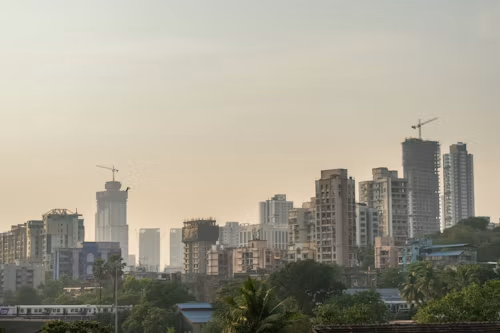
Sustainability is no longer a new or “innovative” concept that Bangladesh should strive for; it has become an utmost necessity in this day and age. From real estate to manufacturing, sustainability has had transformative impacts across industries. Its most notable influence is evident in Bangladesh’s real estate.
Bangladesh has made significant strides when it comes to implementing sustainability in its real estate scene. Developers and builders are increasingly incorporating sustainable elements into their construction and integrating principles of environmental awareness into their approaches.
However, the challenge arises when it comes to striking the right balance between the widespread movement of sustainability and profitability in real estate. And that’s what we’re discussing in our guide today.
Why Sustainable Real Estate is No Longer A Luxury
For decades, the real estate world has operated under a stubborn myth: you can either build for the planet or build as much as your wallet allows you to, but you can’t do both. Many developers see solar panels and high-efficiency insulation as costly elements that eat away at development costs and the total budget.
But the reality has shifted, because in 2026, going green doesn’t only refer to saving the trees, it’s about saving the entire planet. Period. Between skyrocketing energy costs, new government incentives, top real estate company in Bangladesh prioritising green initiatives, and a generation of tenants who refuse to rent “high-energy eating” buildings, sustainability has become the ultimate competitive advantage.
The truth is, you don’t have to sacrifice your ROI to be eco-friendly. If you aren’t building sustainably in this day and age, you’re probably building a liability.
Why Sustainability Sells: The Benefits of Living Sustainably
In the current marketing, building green is just as much about being ethical as it is about being a premium product. Here’s why sustainable properties sell more than traditional projects,
- Reducing Operational Expenses: High-efficiency systems such as geothermal heating, smart glass, and automated LED grids drastically reduce the monthly utilities of your building. Lower utility costs mean you have a higher net operating income, directly increasing the appraisal value of the property.
- Tenant Retention: Sustainable properties see faster lease-up rates because they offer better air quality, natural light, and lower hidden costs for the tenant. And occupants are less likely to move out of a building that saves them money on utilities and provides a better living environment overall.
- Protection Against “Brown Discounting”: This is a trend where properties that fail to meet modern environmental standards lose value fast. When you start building green, you avoid future fines, carbon taxes, and the massive cost of “retrofitting” 10 years down the line.
- Access to Cheaper Capital: The financial world has gone green. Many banks now offer green financing, loans with lower interest rates or better terms for projects that meet specific environmental certifications such as LEED or EDGE.
These benefits have become core factors for developers to implement more green initiatives into their developments, and for residents to increasingly seek green-friendly properties for a sustainable living experience.
Strategies to Balance Sustainability and Profitability
We’re discussing the best strategies you can use to balance sustainability and profitability to keep your building green, tenants or yourself happy, and bank account not quite so empty.
- Integrative Designs
Bring your architects, engineers, and green experts together before the first brick is laid. When everyone talks from day one, you find clever ways to hide solar panels or save on plumbing that you’d miss if you hired them separately later. This way, you avoid expensive fixes halfway in.
- Harvest Free Power: Renewable Energy
Adding solar panels or wind turbines turns your roof into a mini power plant. Beyond just lowering your bills, these features often make you eligible for massive government tax breaks.
- Source Smarter Materials
Whenever possible, use recycled, renewable, or locally sourced materials. Shipping heavy stone or wood across the country is a hidden profit-killer.
- Stop Wasting Water or Money
Water isn’t getting any cheaper. By installing low-flow faucets, rainwater collectors, or systems that recycle sink water for toilets, you can slash your water intake.
- Let The Smart Tech Do The Hard Work
Use smart building sensors to monitor your energy use in real-time. These systems can automatically dim the lights in empty rooms or turn down the AC when it’s cool outside.
These strategies help you build with efficiency, intelligence, and the right certifications, you aren’t just saving the environment; you’re securing your investment for decades to come.
Avoid These Greenwashing Types
Even with the best intentions, it’s easy to make mistakes that hurt your profit, without helping the planet. Watch out for these common red flags,
- While retrofitting is not the end of the world, it is 3x more expensive than adding the solar panels and/or smart tech right the first time. If it wasn’t in the original blueprints, it will likely eat up your profits.
- Don’t overengineer for no reason, such as adding a high-tech wind turbine in a place with little to no wind. Some developers tend to buy shiny gadgets to appear sustainable, without checking if they actually save energy, ending up with expensive equipment.
- Complicated thermostats are not user-friendly and are likely to make you or your tenants use space heaters. Complex tech can lead to frustrated residents and higher maintenance.
- While LEED or WELL certifications are great, trying to get every single plaque for your lobby is not fruitful. Pick the one certification that you and your target tenants care about most and focus your budget there.
When you stay away from these common traps, you ensure that your environmental goals actually support your financial ones. Remember, a green building is only truly sustainable if it is also financially healthy enough to stay open for the next fifty years.
The Future of Sustainability in Bangladesh: The Profitability Progress
In Bangladesh, building “green” is quickly becoming a national necessity rather than a choice. With our rising urban population and the constant threat of climate change, the government is pushing for eco-friendly housing more than ever. New regulations now encourage rooftop solar power and rainwater harvesting to reduce the massive pressure on our national grid and groundwater.
For developers and investors, sustainability isn’t a get-rich-quick scheme, at least not anymore. It’s about staying relevant. Bangladesh Bank and other lenders are starting to offer better terms and “Green Transformation” funds for projects that meet specific eco-standards. As more sustainable properties are being developed now, you aren’t just helping the environment; you are making sure your building doesn’t become an outdated, high-cost liability in a few years.
Wrapping Up: The Dawn Of A Sustainably Successful Bangladesh
As we have seen, sustainability in real estate is no longer just about being kind to the Earth; it is about building smarter, reducing monthly waste, and protecting your investment from rising energy costs. In a rapidly developing nation like ours, the buildings that stand the test of time will be the ones that work with nature, not against it.
Whether you are a developer, an investor, or a homeowner, the shift toward eco-friendly building is your chance to lead the market. Through avoiding common red flags and using smart, local strategies, you can prove that what is good for Dhaka’s skyline is also good for your bottom line. The future of Bangladesh is being built right now. Let’s make sure it’s built to last.