Choosing the right countertop materials for modern interiors is one of the most important decisions in kitchen and bathroom design today. Surfaces are no longer just functional workspaces they define the visual tone, durability, and long-term value of a home. Whether you’re designing a minimalist kitchen, a luxury bathroom, or a high-traffic commercial interior, selecting the right material impacts maintenance, aesthetics, and performance for years.
As modern homeowners and designers prioritize clean lines, durability, and sustainability, engineered surfaces like quartz, porcelain, and solid surface materials have become industry leaders. Brands such as Hyundai L&C are helping shape this evolution with advanced surface technologies designed for contemporary living. This guide breaks down the best countertop options, their benefits, and how to choose the right surface for modern interiors with confidence and clarity.
Understanding Countertop Materials for Modern Interiors
Modern design emphasizes simplicity, durability, and long-term functionality. That means countertop selection goes beyond appearance it must also perform under daily use.
The most in-demand countertop materials for modern interiors today typically fall into three main categories:
- Engineered stone (quartz)
- Porcelain slabs
- Solid surface materials
- Natural stone (with modern treatments)
Each material offers distinct advantages depending on lifestyle, budget, and design goals.
Quartz: The Leader in Modern Interior Design
Quartz remains one of the most popular choices for contemporary kitchens and bathrooms. Engineered from natural quartz crystals combined with resins and pigments, it offers a consistent, non-porous surface ideal for modern homes.
Key benefits of quartz countertops:
- Highly resistant to stains and scratches
- Low maintenance (no sealing required)
- Wide range of colors and patterns
- Consistent design appearance
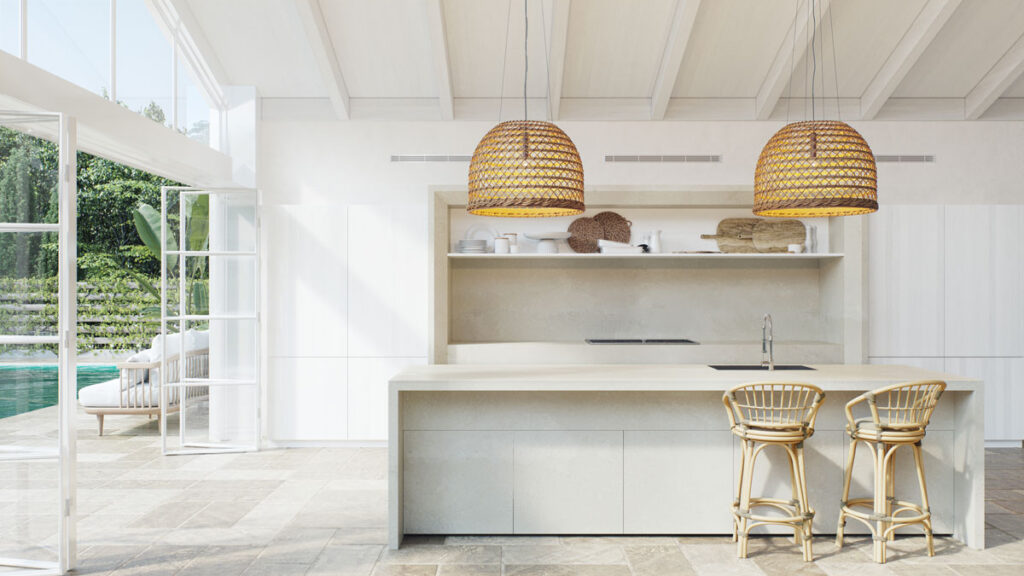
Quartz is especially favored in minimalist and Scandinavian-inspired interiors where clean surfaces and uniform patterns are essential.
In high-performance material innovation, manufacturers like Hyundai L&C continue to refine quartz surfaces to meet evolving architectural demands, balancing aesthetics with durability.
Porcelain Slabs: Ultra-Thin and Highly Durable
Porcelain slabs have rapidly gained attention in the world of countertop materials for modern interiors due to their lightweight structure and exceptional strength.
Why designers choose porcelain:
- Heat resistant and UV stable
- Extremely thin yet strong
- Resistant to scratches and chemical damage
- Suitable for indoor and outdoor use
Porcelain is also ideal for waterfall countertops, backsplash continuity, and full-slab wall applications. Its ability to mimic natural stone, wood, or concrete makes it a versatile choice for modern aesthetics.
Unlike traditional materials, porcelain maintains color integrity even in sun-exposed environments, making it a top option for open-concept spaces.
Solid Surface Materials: Seamless Modern Appeal
Solid surface countertops are known for their smooth, seamless finish. Made from acrylic or polyester blends, they are designed for flexibility in shaping and design integration.
Advantages of solid surface materials:
- Seamless installation (no visible joints)
- Easy to repair and refinish
- Hygienic and non-porous
- Customizable shapes and edges
These surfaces are widely used in healthcare, hospitality, and residential interiors where cleanliness and design continuity are priorities.
While not as heat-resistant as stone or porcelain, solid surface materials remain a strong choice for modern interiors focused on fluid design and minimal visual disruption.
Natural Stone: Timeless Beauty with Modern Treatment
Although engineered materials dominate today’s market, natural stone like granite, marble, and quartzite still plays a role in modern design.
Why natural stone remains relevant:
- Unique, one-of-a-kind patterns
- Strong resale value
- Luxurious appearance
- Long-lasting durability (with proper care)
However, natural stone requires sealing and regular maintenance. This is why many homeowners now combine natural stone aesthetics with engineered performance through hybrid materials and advanced surface treatments.
How to Choose the Right Countertop Material
Selecting from the many countertop materials for modern interiors requires a balance of design preference and practical needs. Here are the key factors to consider:
1. Lifestyle and Usage
- Heavy cooking households → quartz or porcelain
- Light-use or decorative kitchens → solid surface or marble
2. Maintenance Requirements
- Low maintenance: quartz, porcelain
- Moderate maintenance: solid surface
- High maintenance: natural stone
3. Design Style
- Minimalist modern → quartz or solid surface
- Industrial modern → porcelain or concrete-look surfaces
- Luxury modern → marble or quartzite
4. Budget Considerations
- Premium: porcelain slabs, high-end quartz
- Mid-range: engineered quartz
- Entry-level: solid surface materials
The Role of Technology in Modern Countertop Innovation
Advancements in manufacturing have significantly improved how countertops perform in modern interiors. Digital printing, sintering processes, and resin engineering now allow surfaces to replicate natural textures with remarkable accuracy.
Companies like Hyundai L&C are at the forefront of these innovations, developing surfaces that combine visual realism with technical resilience. This has expanded design possibilities for architects and homeowners alike.
Today’s countertops are engineered not only for beauty but also for:
- Stain resistance
- Heat tolerance
- Impact resistance
- Environmental sustainability
These innovations are redefining what homeowners expect from interior surfaces.
Sustainability and Eco-Friendly Design Trends
Sustainability is now a major factor in selecting countertop materials for modern interiors. Consumers are increasingly looking for materials that reduce environmental impact without compromising quality.
Modern sustainable practices include:
- Use of recycled raw materials
- Energy-efficient manufacturing processes
- Long product lifespan to reduce waste
- Low-emission resin technologies
Engineered surfaces like quartz and porcelain are increasingly designed with sustainability in mind, offering long-lasting performance that reduces the need for replacement.
Design Trends Shaping Modern Countertops
Interior design trends continue to evolve, but several key directions are shaping countertop choices today:
1. Minimal Seamless Surfaces
Large slabs with minimal joints create a clean, uninterrupted look.
2. Natural Stone Aesthetics
Even engineered materials now replicate marble, limestone, and granite patterns.
3. Neutral Color Palettes
Whites, greys, and soft earth tones dominate modern interiors.
4. Integrated Design Elements
Countertops are now extended into backsplashes, sinks, and wall panels for continuity.
These trends highlight the importance of selecting materials that are both visually cohesive and structurally reliable.
Practical Tips for Long-Lasting Performance
To maximize the lifespan of your countertop investment, follow these practical care guidelines:
- Use cutting boards instead of cutting directly on surfaces
- Clean spills quickly to prevent staining
- Avoid harsh abrasive cleaners
- Use trivets for hot cookware (especially on solid surfaces)
- Schedule periodic maintenance for natural stone
Even the most durable countertop materials for modern interiors benefit from proper care and usage habits.
Why Material Choice Impacts Property Value
Countertops are one of the first features noticed in kitchens and bathrooms. High-quality surfaces can significantly enhance property appeal and resale value.
Buyers today look for:
- Modern, low-maintenance materials
- Clean and cohesive design
- Durable surfaces that require minimal upkeep
Investing in premium materials from trusted manufacturers like Hyundai L&C ensures long-term value and design relevance in competitive real estate markets.
Final Thoughts
The world of countertop materials for modern interiors continues to evolve with advancements in engineering, sustainability, and design innovation. From quartz and porcelain to solid surface and natural stone, each material offers unique benefits tailored to different lifestyles and aesthetic goals.
What matters most is choosing a surface that balances durability, beauty, and practicality while aligning with your long-term vision for the space.
With industry leaders like Hyundai L&C driving innovation in surface technology, homeowners and designers now have more options than ever to create interiors that are both functional and visually refined.
Modern countertops are no longer just surfaces they are foundational design elements shaping the way we live, cook, and interact with our spaces every day.