Chronic Venous Insufficiency (CVI) is a common vascular condition that affects blood flow in the legs. When vein valves stop functioning properly, blood begins to pool in the lower extremities, causing swelling, discomfort, skin discoloration, heaviness, and visible varicose veins. As symptoms progress, many patients begin searching for minimally invasive treatment options that provide long-term relief without extensive downtime. One of the most effective modern solutions is radio frequency ablation veins treatment.
At Advanced Vascular, specialists use advanced vein treatment techniques to help patients safely and effectively manage venous disease. Radio frequency ablation has become a preferred option because it targets damaged veins directly while allowing healthy veins to continue normal circulation.
What Is Radio Frequency Ablation for Veins?
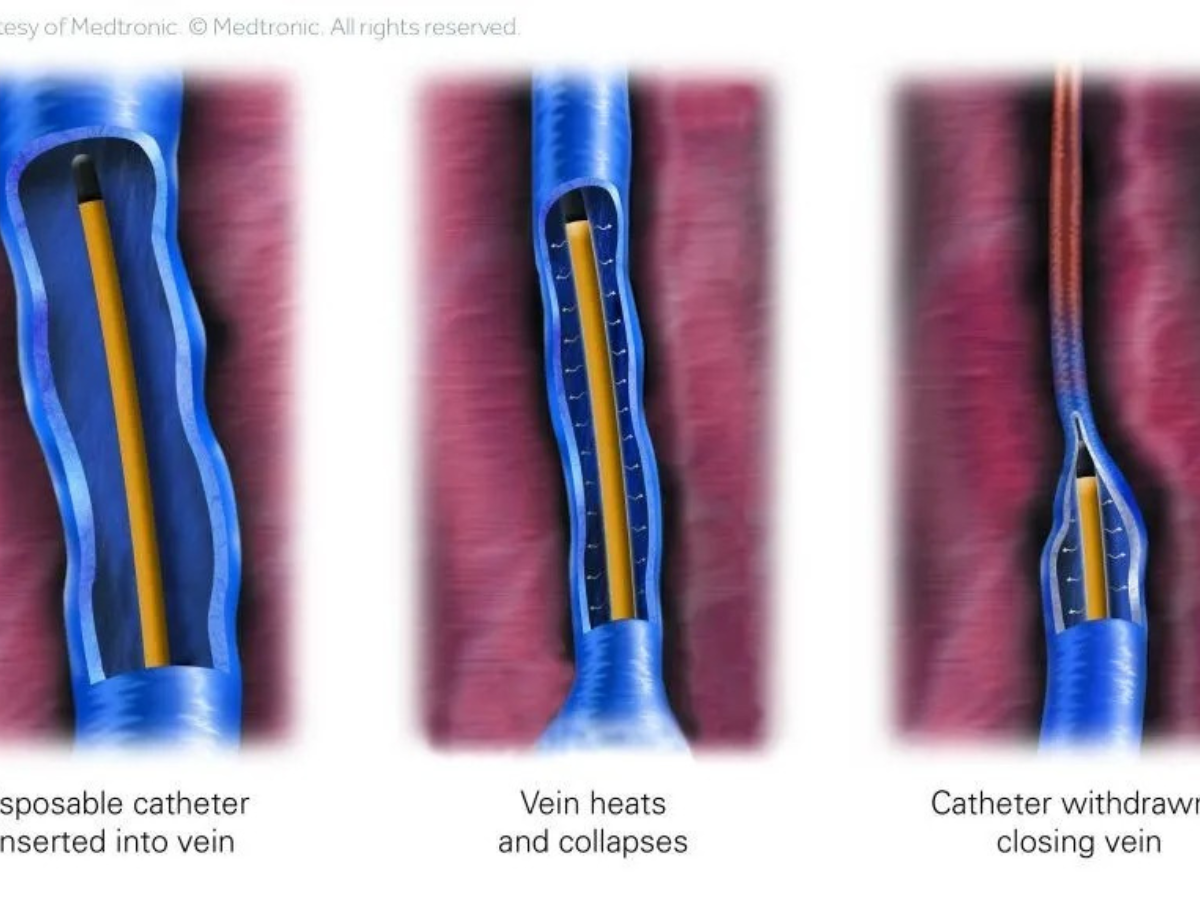
Radio frequency ablation (RFA) is a minimally invasive procedure used to close diseased veins that contribute to CVI. The treatment uses controlled thermal energy delivered through a specialized catheter inserted into the affected vein. Once heat is applied, the vein walls collapse and seal shut, redirecting blood flow into healthier veins.
Unlike traditional vein-stripping surgeries, radio frequency ablation vein procedures require only a small incision and are usually performed in an outpatient setting. Most patients can return to normal activities within a short period after treatment.
The procedure is commonly used to treat:
- Varicose veins
- Chronic venous insufficiency
- Leg swelling and heaviness
- Venous reflux disease
- Leg pain related to damaged veins
According to the Society for Vascular Surgery, minimally invasive vein treatments such as RFA have significantly improved patient outcomes while reducing recovery time compared to older surgical approaches.
How Chronic Venous Insufficiency Develops
To understand why radio frequency ablation vein treatment is effective, it helps to know how CVI develops. Veins in the legs contain tiny one-way valves that keep blood flowing upward toward the heart. When these valves weaken or fail, blood flows backward and accumulates in the veins.
Over time, this increased pressure can lead to symptoms such as:
- Aching or tired legs
- Burning sensations
- Cramping
- Swelling near the ankles
- Skin changes
- Open sores or ulcers in severe cases
Risk factors may include aging, prolonged standing, obesity, pregnancy, family history, or a sedentary lifestyle.
Without treatment, CVI may worsen progressively, making early intervention important for preventing complications.
How Radio Frequency Ablation Veins Procedures Work
The radio frequency ablation process is designed to be precise, efficient, and minimally disruptive. The procedure typically begins with ultrasound imaging to identify the damaged vein and map the treatment area.
After local anesthesia is applied, a thin catheter is inserted into the targeted vein through a tiny incision. Radio frequency energy travels through the catheter, generating heat that causes the vein walls to contract and close.
Once the vein seals shut, blood naturally reroutes through surrounding healthy veins. The body gradually absorbs the closed vein over time.
Most procedures take less than an hour, and patients are generally encouraged to walk immediately afterward to promote healthy circulation.
Benefits of Radio Frequency Ablation for CVI
One reason radio frequency ablation of veins treatment has become widely recommended is the combination of effectiveness and patient comfort. Compared with older surgical procedures, RFA offers several advantages.
Patients often experience:
Minimal Downtime
Many individuals resume regular activities within one or two days after treatment. This makes RFA ideal for people with active schedules who want to avoid lengthy recovery periods.
Reduced Discomfort
The procedure uses local anesthesia and small entry points, minimizing pain during and after treatment. Most patients report only mild soreness or bruising.
High Success Rates
Clinical studies have shown strong long-term success rates for vein closure and symptom improvement following radio frequency ablation.
Improved Cosmetic Appearance
Closing diseased veins can reduce the appearance of bulging varicose veins and improve the overall look of the legs.
Lower Risk of Complications
Because the procedure is minimally invasive, risks associated with large surgical incisions and extended recovery are significantly reduced.
Clinical research supports the effectiveness and safety of endovenous thermal ablation treatments for venous insufficiency.
Who Is a Good Candidate for Radio Frequency Ablation Veins Treatment?
Not every vein condition requires RFA, but many CVI patients qualify for the procedure. Ideal candidates often include individuals who experience persistent symptoms despite conservative treatments such as compression stockings or lifestyle changes.
A vascular specialist may recommend radio frequency ablation therapy for patients with:
- Symptomatic varicose veins
- Confirmed venous reflux
- Leg fatigue or swelling
- Chronic leg discomfort
- Skin irritation caused by poor circulation
A comprehensive ultrasound evaluation helps determine whether RFA is the most appropriate treatment option.
What Patients Can Expect During Recovery
Recovery following radio frequency ablation is generally straightforward. Patients are often advised to wear compression stockings temporarily after the procedure to support circulation and healing.
Walking is usually encouraged immediately after treatment, while strenuous exercise may need to be limited briefly depending on the physician’s recommendations.
Some patients may notice mild bruising or tightness along the treated vein, but these effects commonly resolve within a short period.
Follow-up imaging is often scheduled to confirm successful vein closure and ensure proper healing.
Why Early Treatment Matters
Many individuals delay treatment because they assume varicose veins are only cosmetic. However, CVI is a progressive medical condition that may worsen without intervention.
Early treatment with radio frequency ablation vein procedures can help:
- Prevent worsening symptoms
- Reduce swelling and pain
- Improve mobility
- Lower the risk of skin ulcers
- Enhance overall quality of life
Addressing venous disease before complications develop often leads to better long-term outcomes.
Choosing an Experienced Vein Specialist
Successful vein treatment depends heavily on accurate diagnosis and experienced care. Patients should seek providers with expertise in vascular medicine and minimally invasive vein procedures.
Advanced Vascular, located at 4501 Osuna Road NE, Albuquerque, New Mexico, provides advanced evaluation and treatment for patients experiencing symptoms of chronic venous insufficiency and varicose veins. Their team focuses on modern vascular solutions designed to improve circulation, comfort, and long-term vein health.
Long-Term Relief Through Modern Vein Care
For patients struggling with chronic venous insufficiency, radio frequency ablation veins treatment offered by Advanced Vascular provides a modern and effective solution that minimizes downtime while delivering lasting relief. By targeting damaged veins with controlled thermal energy, the procedure restores healthier circulation and reduces many of the uncomfortable symptoms associated with CVI.
As awareness of vein disease continues to grow, more patients are discovering the benefits of minimally invasive treatments that support both vascular health and daily comfort. Seeking evaluation early can make a meaningful difference in preventing progression and improving quality of life.
Advanced Vascular
4501 Osuna Road NE, Albuquerque, New Mexico, 87109, United States
Phone: (505) 448-8346
Website: https://advancedvascularnm.com/