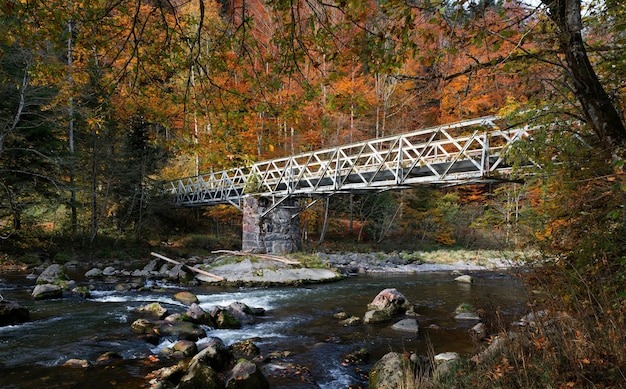
Timber bridges can be a practical and attractive option for rural roads, trails, private properties, agricultural areas, and recreational spaces. Their natural appearance allows them to blend well with Montana’s landscapes, while properly designed structures can provide reliable performance for many applications. When considering Montana timber bridges, property owners and project planners should evaluate factors such as design requirements, expected loads, environmental conditions, maintenance, and intended use before selecting a bridge system.
1. Natural Appearance
One of the most noticeable benefits of timber bridges is their natural appearance. Wood can complement forests, rivers, ranches, parks, and other outdoor environments without creating a visually harsh contrast.
Montana timber bridges can be designed to work with surrounding landscapes, making them suitable for projects where appearance is an important consideration. Their traditional look can also add character to trails, private roads, and recreational properties.
2. Suitable for Rural Settings
Montana has many rural and agricultural areas where bridges may be needed to cross streams, drainage channels, roads, or uneven terrain. Timber structures can be adapted for different site conditions and applications when properly engineered.
They may be suitable for farm access, ranch roads, pedestrian paths, and other projects where a practical crossing is required.
3. Versatile Design Options
Timber bridges can be designed in different sizes, configurations, and styles depending on the intended application. Designers can consider factors such as span length, width, expected traffic, site conditions, and aesthetic preferences.
Montana timber bridges can therefore be customized to meet specific project requirements rather than relying on a single standard design.
4. Efficient Construction
Depending on the project and site conditions, timber bridge components can be prepared and assembled efficiently. Proper planning can help simplify transportation, installation, and construction activities.
The construction schedule will depend on factors such as bridge size, engineering requirements, site access, weather, and local regulations, so project managers should develop a detailed plan before work begins.
5. Renewable Construction Material
Wood is a renewable natural material when it comes from responsibly managed forests. Using appropriately sourced timber can support projects that value renewable construction materials.
Property owners should ask suppliers about the source, treatment, durability, and quality of the timber being considered for their bridge project.
6. Can Complement Recreational Areas
Timber bridges are often well suited to parks, hiking trails, cycling routes, nature areas, and recreational properties. Their natural appearance can enhance the surrounding environment while providing a functional crossing.
Montana timber bridges can be particularly appealing for projects where designers want infrastructure to blend with scenic landscapes rather than dominate the setting.
.
Final Thoughts
Choosing Montana timber bridges can offer benefits such as natural aesthetics, design flexibility, suitability for rural environments, and compatibility with recreational settings. However, the right bridge depends on site conditions, intended use, expected loads, local requirements, material quality, and long-term maintenance needs. Working with qualified professionals can help ensure that the structure is properly designed, installed, inspected, and maintained. With careful planning and appropriate timber selection, a timber bridge can provide a functional and visually appealing crossing for many Montana properties and projects.