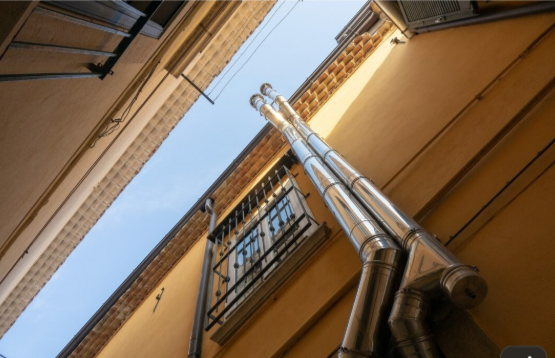
Proper gutter drainage protects a home from problems that begin out of sight. When rainwater flows directly beside the foundation, it can create soil erosion, basement moisture, foundation cracks, and landscape damage.
A well-planned drainage system moves water away from the house and gives it a safe place to discharge. Choosing the right contractor matters just as much as choosing the right drainage method. Before hiring a professional, homeowners should look beyond the price and examine the contractor’s experience.
These tips can help homeowners select a qualified professional for a reliable and long-lasting drainage project.
Check Experience With Underground Gutter Drainage Projects
Experience should be one of the first things you evaluate when selecting custom home contractors for a drainage project. Gutter drainage may appear simple from the surface, but underground installation requires careful planning.
The contractor must understand water flow, pipe placement, soil conditions, grading, outlet locations, and the layout of existing utilities. Ask how many similar projects the contractor has completed.
A professional who regularly installs underground drainage systems will understand common problems before they become expensive repairs. They should also know how to determine the appropriate pipe size, slope, connection points, and discharge method for the property.
Ask for a Detailed Drainage Plan
A good underground gutter drainage installation begins with a clear plan rather than a shovel hitting the ground. Before work starts, ask the contractor to inspect the property and explain how the proposed system will collect and redirect rainwater.
The plan should consider the location of every downspout that will connect to the drainage network. It should also identify the route of underground pipes and the final discharge point.
This helps prevent water from being redirected toward the foundation, neighboring properties, walkways, or other areas where standing water could develop.
Compare Materials and Installation Methods
The quality of the materials can directly affect the lifespan of a drainage system. Before approving an installation, ask which pipes, fittings, connectors, drainage outlets, and other components the contractor intends to use.
Underground drainage pipes must withstand soil pressure and regular exposure to water. The appropriate pipe material depends on the project, local conditions, installation depth, soil type, and expected water volume.
A professional should be able to explain why a particular material suits your property. Pipe diameter also matters. A pipe that is too small may struggle to handle heavy rainfall, especially when several downspouts connect to the same drainage line.
Review Previous Work and Customer Feedback
Before hiring a contractor, look at evidence of previous work. Photos can provide useful information about workmanship, but direct customer feedback can reveal details that photographs cannot show.
Ask whether the contractor can provide examples of completed residential drainage projects. Pay attention to the layout, pipe installation, downspout connections, drainage outlets, and quality of the finished landscape.
Online reviews can also help you identify recurring patterns. One negative review does not necessarily mean a contractor provides poor service. However, repeated complaints about missed deadlines, poor communication, unexpected charges, leaks, or drainage failures deserve attention.