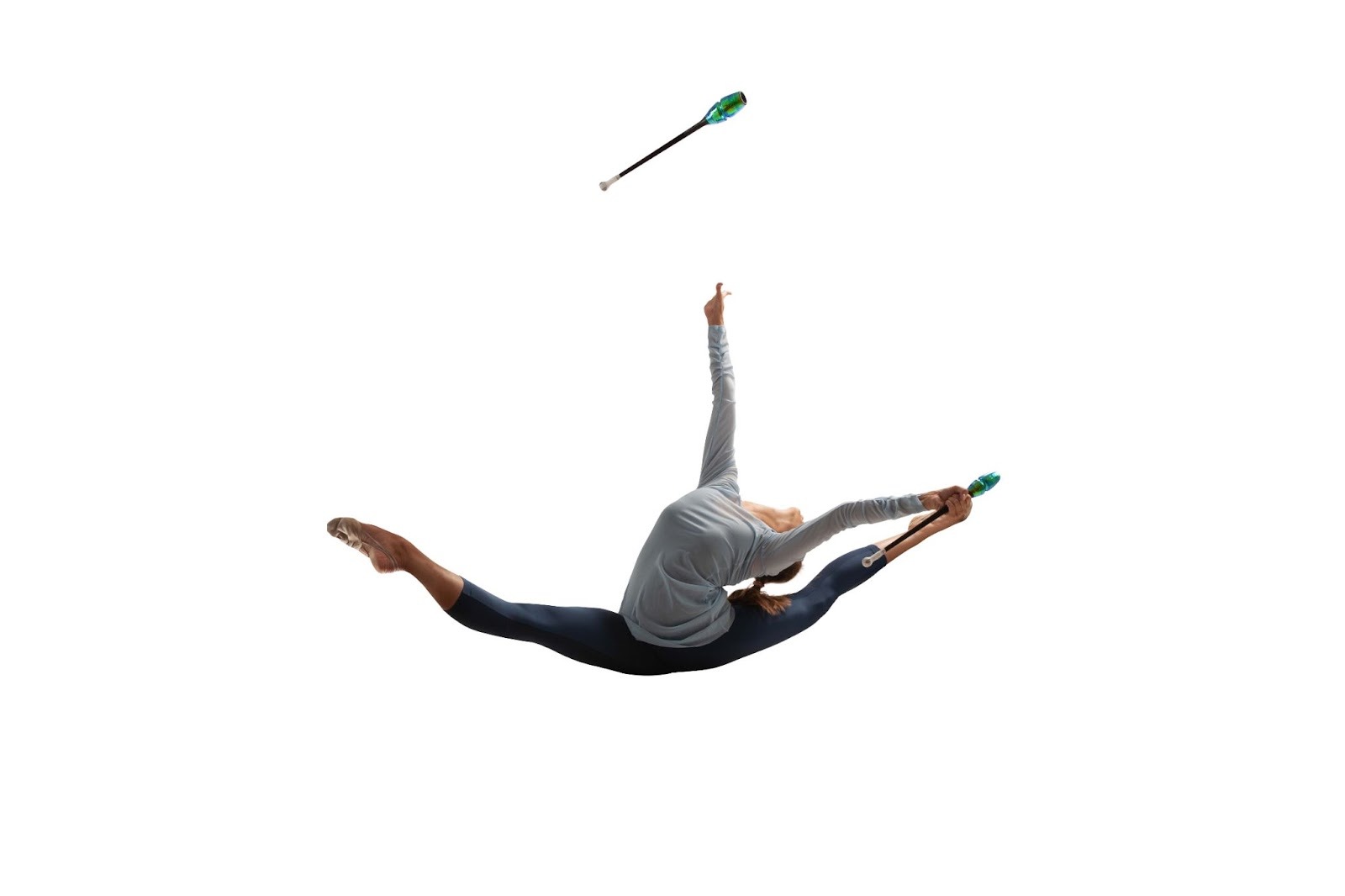
Stage performance has grown over time to be more thrilling and visually stimulating. Performers flying is one of the techniques that have revolutionized live performances. This technique gives actors, dancers, and acrobats the opportunity to move safely in the air during a show.
Aerial artists ensure theatrical impacts that attract the audience. It also brings depth and creativity in telling a story. This technique is currently used in several productions, musicals, and theatrical plays as well. The following are the best advantages of having performers flying in stage productions.
Adds Visual Spectacle and Drama
A performer flying gives an immediate visual effect. The audience is attracted to flying characters. It gives scenes life and recollection. Flying may replicate magic, flight, or supernatural powers.
This method enables the directors to produce situations previously unattainable on stage. It also enhances viewer interaction. A scene involving flying performers will be discussed and remembered. This scene makes the work visually exciting.
Enhances Storytelling and Creativity
Aerial artists assist in visualizing stories differently. Aerial movement allows directors to demonstrate the emotions or abilities of a character. For example, flying may symbolize liberty, strength, or fantasies.
It provides a symbolic dimension to performances. It allows performers to communicate with the set or other players whilst in the air. This enhances artistic opportunities for choreographers and designers. The method enables programs to be more creative and expressive. The listeners gain a more immersive and entertaining story.
Supports Safety and Professionalism
Performer flying involves safety. Harnesses and wires are specialized equipment used. All flights are supervised by trained professionals. This makes performers move with no fear. Repetitive practices are done to master timing and coordination.
Flying also enables the performers to do complicated moves without risk. Accidents are reduced with the right training and equipment. The flight is a sure way of modern stage productions with the safety measures in place.
Improves Audience Engagement
Air performers maintain the attention and interest of the audience. The movement above the stage makes it wonder. It draws attention even in slower sections of the show. Viewers love watching qualified stunts that are done safely in the air.
Stage movement is also varied through flying. This avoids instances of stagnancy and monotony in scenes. The shows are more entertaining by keeping them lively and interesting. Higher viewer interaction will result in positive reviews and ticket sales.
Expands Possibilities for Choreography
Performer flying introduces new possibilities to choreography. They incorporate new aerial moves in dance and action sequences. Choreographers will be able to create routines that can be both ground- and air-based. It has become an essential tool for directors and choreographers aiming to elevate live performances.
This makes performances complex and beautiful. Aircraft flying enables coordinated air displays that are astonishing to watch. It also promotes innovativeness in stage design. Flying can be coordinated with lighting and effects to add visual effects. Generally, flying enhances the possibilities of contemporary stage productions.