nDir
nDir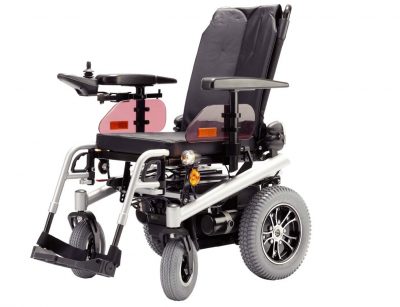
Introduction
Electric 輪椅 rely heavily on battery performance for consistent mobility and independence. Understanding battery types, performance expectations, and maintenance routines is crucial to ensure reliability and longevity. Proper care prevents unexpected failures, maximizes runtime, and supports safe daily use for both short trips and long-distance mobility.
Types of Electric Wheelchair Batteries
The two primary types of batteries used in electric wheelchairs are sealed lead-acid (SLA) and lithium-ion (Li-ion). SLA batteries are reliable and cost-effective but heavier and require regular charging cycles. Lithium-ion batteries are lighter, offer longer lifespan, faster charging, and consistent power output. Choosing the appropriate battery type depends on user needs, weight capacity, and lifestyle.
Battery Performance Factors
Battery life depends on several factors, including user weight, terrain, speed, and environmental conditions. Steeper slopes or frequent stops can reduce runtime, while extreme temperatures may affect performance. Regularly monitoring battery levels and usage patterns ensures that the 輪椅 operates efficiently and prevents unexpected power loss during use.
Charging Best Practices
Proper charging routines extend battery life. Batteries should be fully charged before the first use and maintained according to manufacturer guidelines. Avoid overcharging or letting batteries completely discharge, as this can shorten lifespan. Using the original charger or a compatible alternative is essential for safety and efficiency.
Maintenance Tips
Regular maintenance helps preserve battery health. Keep battery terminals clean and free of corrosion. Check fluid levels for SLA batteries when applicable, and inspect wiring for wear or damage. For lithium-ion batteries, store in a cool, dry place and avoid exposing them to extreme heat. Following a consistent maintenance schedule reduces the risk of failure and extends operational life.
Signs of Battery Wear
Indicators of a worn battery include reduced runtime, slow charging, and unusual noises or heat during operation. If these symptoms occur, consult a technician or replace the battery promptly to maintain safe and reliable mobility. Timely replacement ensures uninterrupted independence and prevents strain on the wheelchair’s motor system.
Conclusion
Battery performance is the backbone of electric 輪椅 functionality. Understanding types, usage factors, charging routines, and maintenance practices ensures that the wheelchair remains dependable and safe. Proper battery care extends lifespan, improves mobility reliability, and supports the user’s independence, making it an essential aspect of electric wheelchair management.